
Natural changes in the landscape
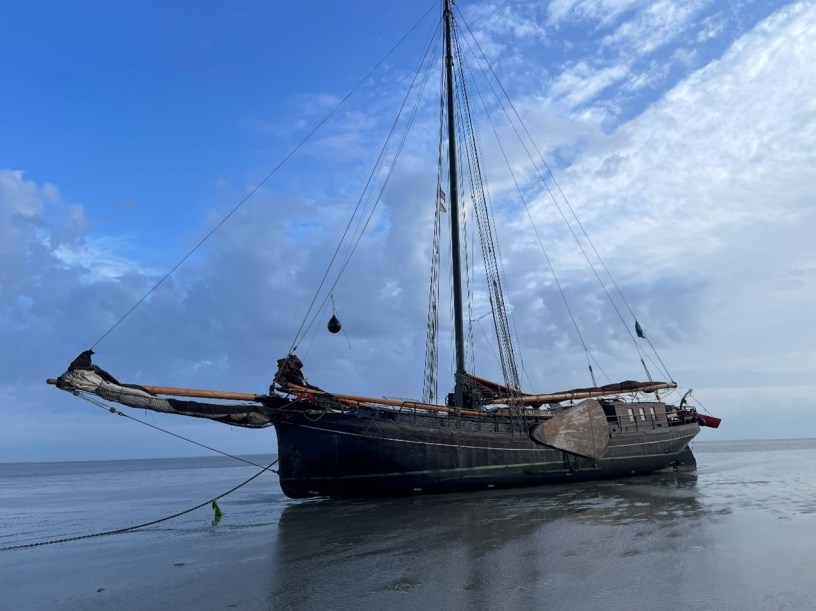
One of the most striking features of the Wadden Sea is the constant transformation of the landscape driven by the tides. Because the sea is so shallow these changes are not subtle: within just hours, areas that were previously deep enough for sailing would re-emerge as vast sandbanks. Standing on the sea floor in the middle of what had recently been open water was a completely new experience. Seeing crabs buried in the sediment and observing the structure of the seabed up close fundamentally changed how I viewed the underwater landscape. This experience made the limits of our everyday observation very tangible. For example, in Denmark, we know that Pacific Oysters are present along the coast of South-West Jutland, yet we do not have a precise or complete count of their population. Monitoring such species in a dynamic and partly submerged environment is inherently difficult. What became clear to me is that changes to the ecosystem are not only visible from land or at the surface; they also unfold on the seabed, where they are far less accessible to direct observation. Understanding how species like the Pacific oyster alter sediment structures, habitats, and ecological interactions below the surface is therefore both essential and deeply challenging, a realization that closely reflects the core questions addressed in the BRAVE project.
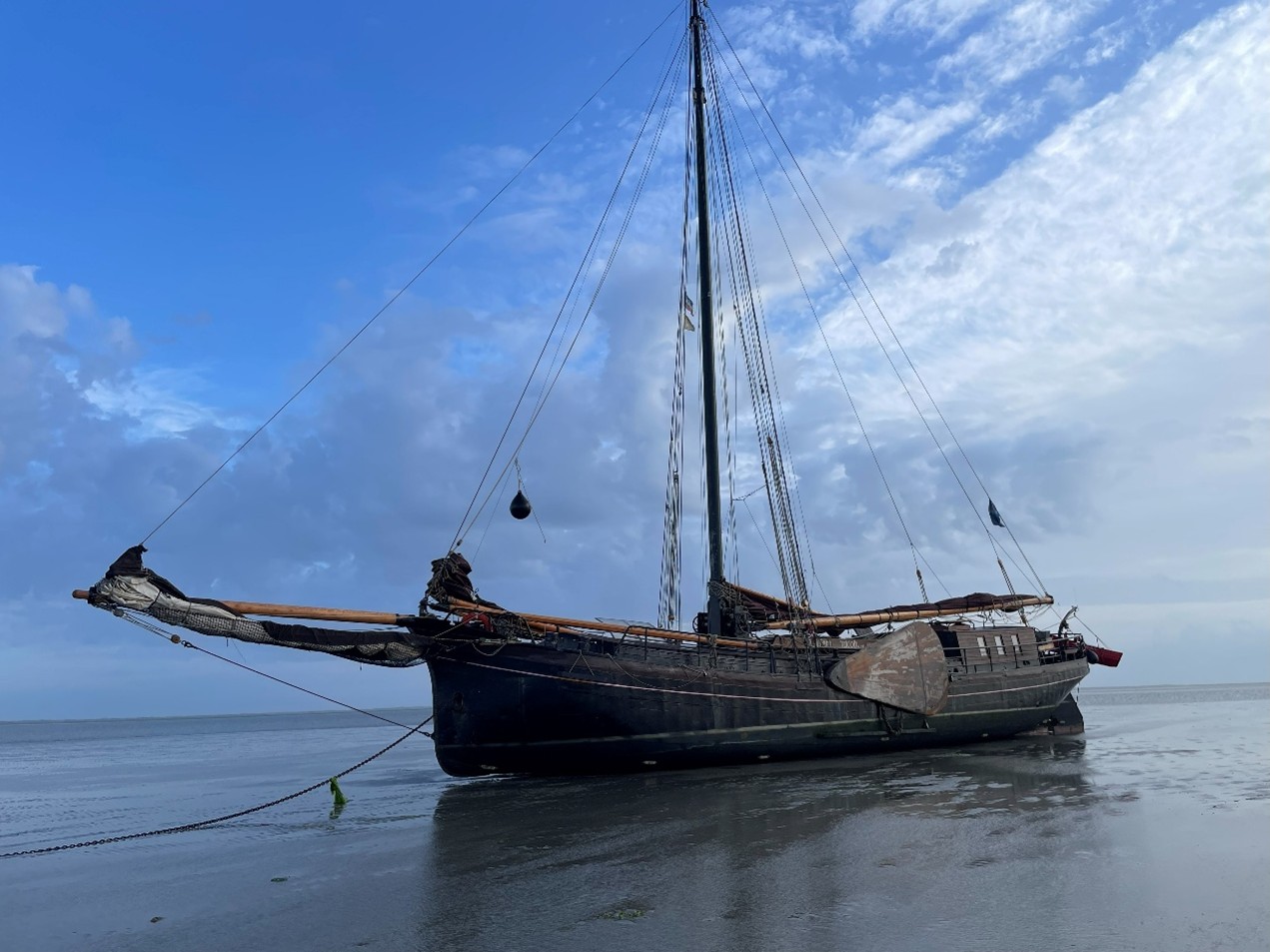
Figure 1. The sailing vessel used during the Wadden Sea Summer School expedition. The boat served as both transportation and a mobile learning platform, enabling participants to observe tidal dynamics, benthic habitats, and human–nature interactions across the Wadden Sea.
Man made changes to the landscape
Another thing that stood out during the summer school was how strongly human decisions shape the Wadden Sea landscape. On the Dutch islands, for example, local authorities are required to dredge ports to accommodate the larger tourist ships coming from inland. On the one hand it brings a vital source of revenue for the local island population but on the other hand, dredging changes the seabed and disrupts local ecology. Standing at the port of Schiermonnikoog and looking at the freshly deepened shipping lane made this trade-off very visible: economic dependence on tourism on one side, ecological disturbance on the other.
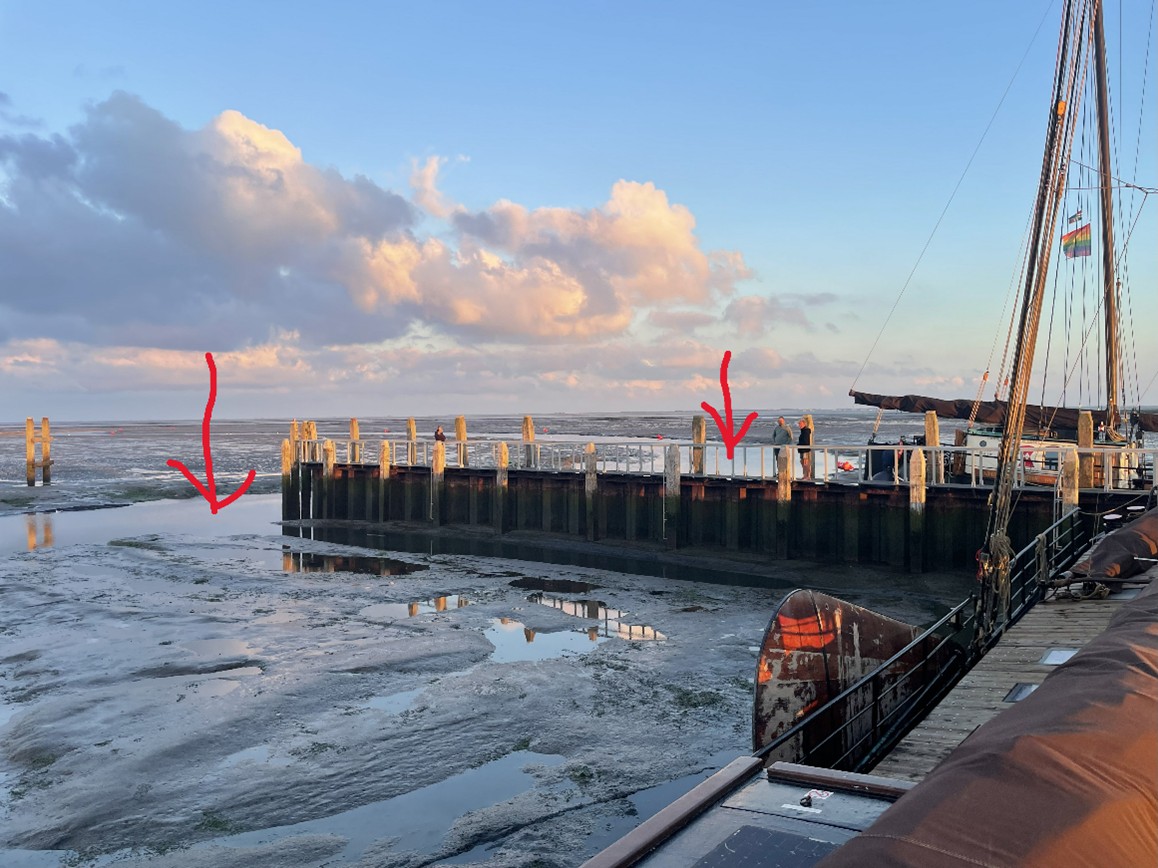
Figure 2. Dredged shipping lane at the port of Schiermonnikoog.
Red arrows indicate the deepened channel regularly dredged to allow passage of larger tourist vessels. This intervention highlights a key socioecological trade-off in the Wadden Sea: the economic importance of tourism for island communities versus the ecological disturbance caused by altering the seabed and coastal morphology.
Human pressures take various different forms, for example, driving onto the beach at Rømø has long been a major attraction for German tourists, and the sheer number of cars lined up along the shoreline is striking. In recent years, zones have finally been established to restrict driving near the coastline but this practice has existed since the end of WW2 and remains economically important for local communities. Limiting access would have real consequences for businesses – but unrestricted access also affects sensitive coastal habitats, bird nesting sites, and dune systems. It becomes clear that local policy choices reflect deeply held values, economic realities, and social expectations. The same mindset that supports dredging or beach driving, because it benefits livelihoods, also shapes attitudes toward invasive species, conservation measures, and nature-based solutions.
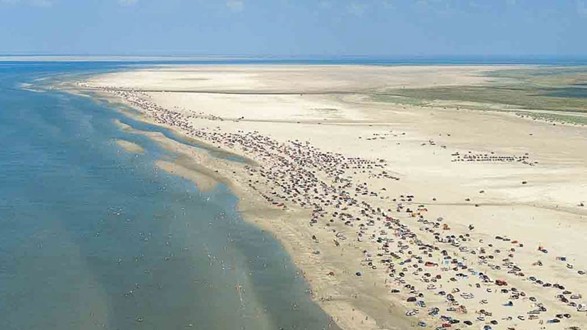
Figure 3. Vehicle access and tourism pressure on Rømø Beach (Danish Wadden Sea).
The image shows the extensive use of the upper intertidal and beach zone by thousands of tourist vehicles during peak season. While this access supports the local tourism economy, it also illustrates the intense human pressure exerted on sensitive coastal habitats within the Wadden Sea National Park, highlighting ongoing trade-offs between economic activity and ecological protection.
One idea that Professor Wander Jager repeated throughout the summer school captured this perfectly: the need to rethink the perceived divide between humans and nature. The Wadden Sea is not just a natural environment; it is a lived and managed space where ecological processes and human activities constantly interact. Seeing how communities navigate these interactions made it clear that any future management, including that of Pacific oysters, must account for these intertwined relationships rather than treating nature and society as separate spheres.
A Lecture that stood out
On the island of Ameland we had a lecture about transitioning from non-renewable energy sources to energy sources that were sustainable and renewable, and, more importantly, on how energy solutions must be adapted to local environmental and social conditions rather than applied as one-size-fits-all technologies. Wind turbines for instance were seen as being too disruptive for both the local population and the migratory birds so instead it was proposed to use underwater kites designed to harvest the energy from the tides. What made this especially compelling was that the technology had already been tested locally, including assessments of interactions with seal populations. The seals had been observed approaching and interacting with the device without showing adverse effects. This example showed that innovation does not only mean introducing new technology, but also carefully testing how it fits within existing ecosystems.
There were 2 main take aways from that evening’s discussion. The 1st being that every proposed solution must be evaluated in relation to its specific ecological and social context and adapted where necessary. The 2nd was institutional: although electricity grids are typically regulated by the government but the energy itself that is being sold to households and non-households is being sold by private corporations. These private corporations often have weak incentives to change their business models, especially when sustainable transitions are perceived as costly. As a result, lobbying and economic interests can significantly slow down systemic change.
As many ambitious ideas circulated in the room, about what should change and how climate mitigation could be accelerated, one question kept pressing: how are these transitions actually implemented in practice? Policy change often unfolds over decades, while ecological damage can be rapid and sometimes irreversible. From personal experience, it is clear how slowly institutional systems move, particularly when sustainability challenges existing economic structures. This tension between urgency and inertia resonated strongly with the broader themes of the summer school and with the central concerns of the BRAVE project, where nature based solutions, governance constraints, and real-world implementation must constantly be navigated together.
Linking to BRAVE’s Objectives
The long history of human intervention in the Wadden Sea landscape offers a powerful illustration of how well-intended solutions can generate cascading and long-lasting ecological effects. The earliest dykes in the region were small, built primarily to protect farmers’ gardens from saltwater intrusion. As populations grew and the demand for farmland increased, dykes were progressively heightened to drain seawater and convert wetlands into grazing land and cereal fields. Over time, much of this reclaimed land lost its ecological diversity and shifted toward monoculture, triggering broader changes in local ecosystems. These transformations were particularly visible on the last island, Schiermonnikoog, we visited during the summer school, where the legacy of land conversion could still be read directly in the landscape.
Against this historical backdrop, one visit offered a strikingly different perspective on how people might now rethink their relationship with the land. We met a former psychologist who had moved to Schiermonnikoog and founded a community garden on unused farmland next to a local farm. After years of helping others cope with burnout, she recognized the irony of her own rising stress and decided to radically change course. Her response was not to step away from society, but to create a shared space where people could reconnect with the land, learn about diverse plant species, and work with their hands. This small-scale initiative now serves several functions at once: it increases local biodiversity, offers an additional attraction for visitors, and creates meaningful work and social interaction for residents. It is a simple but powerful example of a nature-based solution – one that does not attempt to reverse history but instead works with existing landscapes to rebuild resilience. The community garden on Schiermonnikoog offers a tangible reminder that transformative change does not always come from large-scale infrastructure or top-down policy alone, but can also emerge from locally rooted, socially embedded experiments in how we live with nature.
Seen through the lens of the BRAVE project, this story captures the core challenge BRAVE seeks to address: how societies can navigate the trade-offs between livelihoods, local economies, ecological restoration, and long-term sustainability. Whether the issue is energy transition, tourism, coastal access, or invasive species management, the Wadden Sea repeatedly shows that environmental challenges are never purely ecological. They are also social, economic, cultural, and deeply local.
Figure 3 Credit: Rømø strand
 Mereconomics